Xavi Hernández takes charge of his first match as Netherlands coach on Thursday, against Jürgen Klopp’s Germany, at the Johan Cruyff Arena in Amsterdam, in the Nations League. He is the country’s first foreign coach since Ernst Happel, whose ten-month spell ended in 1978.
Ernst Happel, I saw him manage. Ten months, and people still talk about it. Note that I’m not against foreign coaches. I’m against the fact that people bring it up as if it were new.
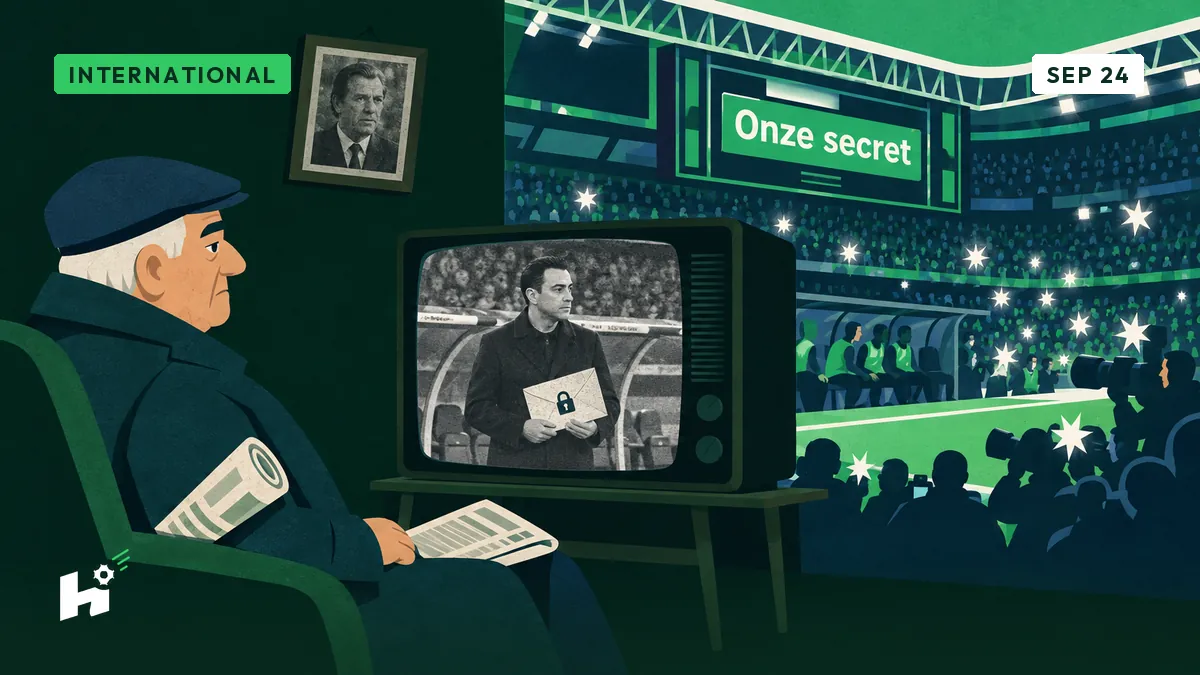
Unlike Ronald Koeman and Louis van Gaal before him, Xavi keeps his starting eleven secret until about ninety minutes before kick-off. “I don’t say anything about my starting eleven. That way everyone stays a hundred per cent involved,” he told Dutch broadcaster NOS.
Xavi also declined to discuss the Netherlands’ last-32 exit at the World Cup. “I don’t talk about the past,” he told the Guardian. Across the pitch, Klopp has pointed out that he arguably knows the Dutch squad better than Xavi does himself. “I actually know more of the Dutch players personally than Xavi does. Whether that’s an advantage, I don’t know, but it’s still a fact,” the German coach said, having only met his own group on Monday for Thursday’s match.
A German manager who knows the opponent’s dressing room better than their own coach. In 1980, we barely knew the opponent’s first names before kick-off, and it didn’t stop anyone from playing. Note that I’m not nostalgic. I’m informed.
On the Dutch side, Virgil van Dijk keeps the captain’s armband, having considered stepping away from the national team over the summer before deciding to continue. Joey Veerman, now at Borussia Dortmund, returns to the squad after more than two years away.
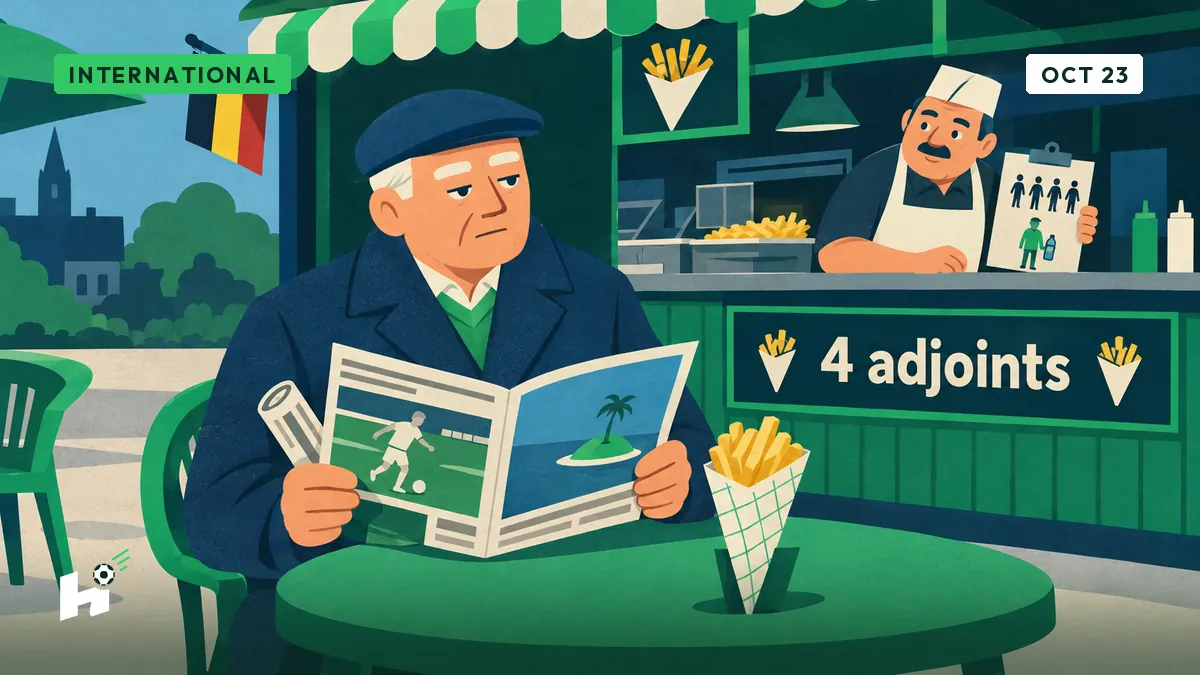
In my day, the line-up came out in the Saturday paper, and people argued about it at the chip shop right up to kick-off. Now they keep it like a state secret, only to reveal it between two adverts. Well. It’s the times.
Whatever happens on Thursday, it will be written down somewhere. In 1978, Marcel notes, it was written down too, just on paper that has since yellowed. Enfin. C’est l’époque.
It’s true, we checked: The Guardian.