Feyenoord lost 0-1 to FC Porto on Tuesday night in the Champions League. Porto’s goal came after two minutes, an own goal by Oussama Targhalline. That is not what concerns me.
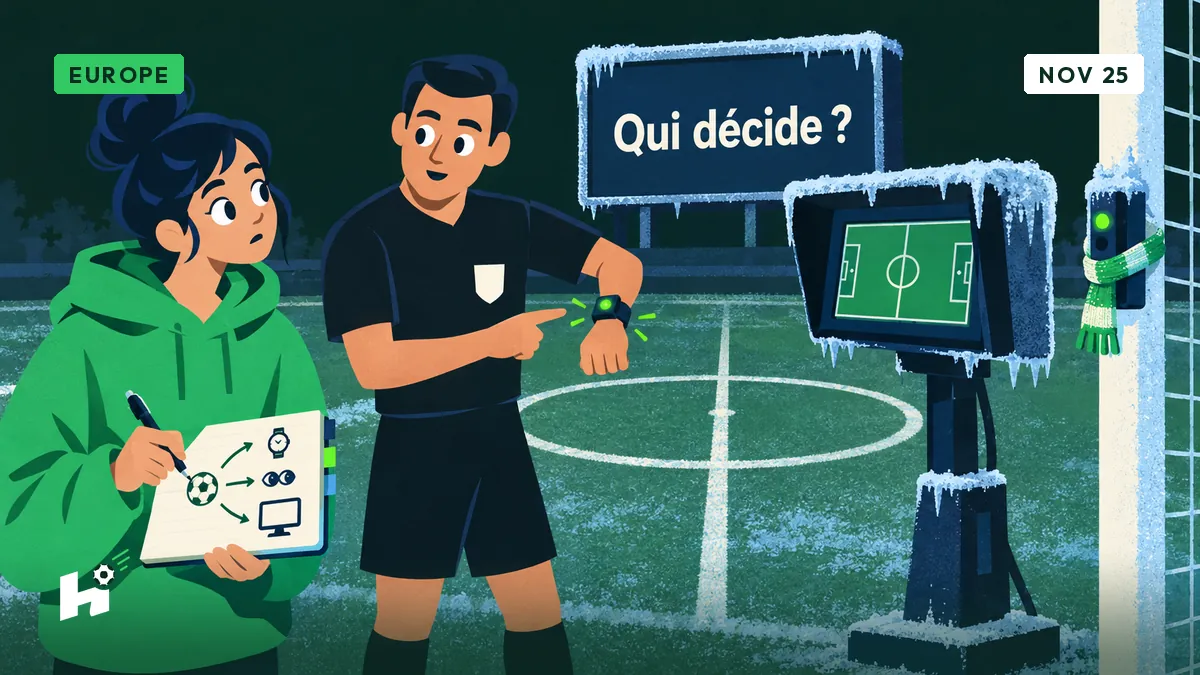
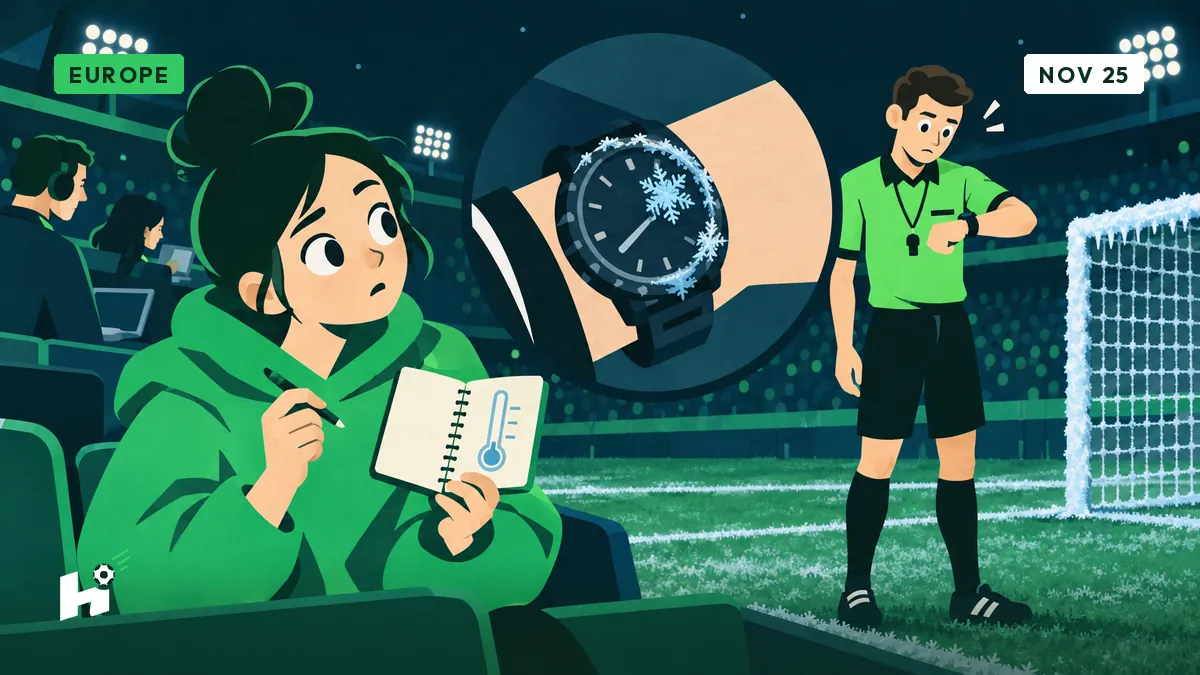
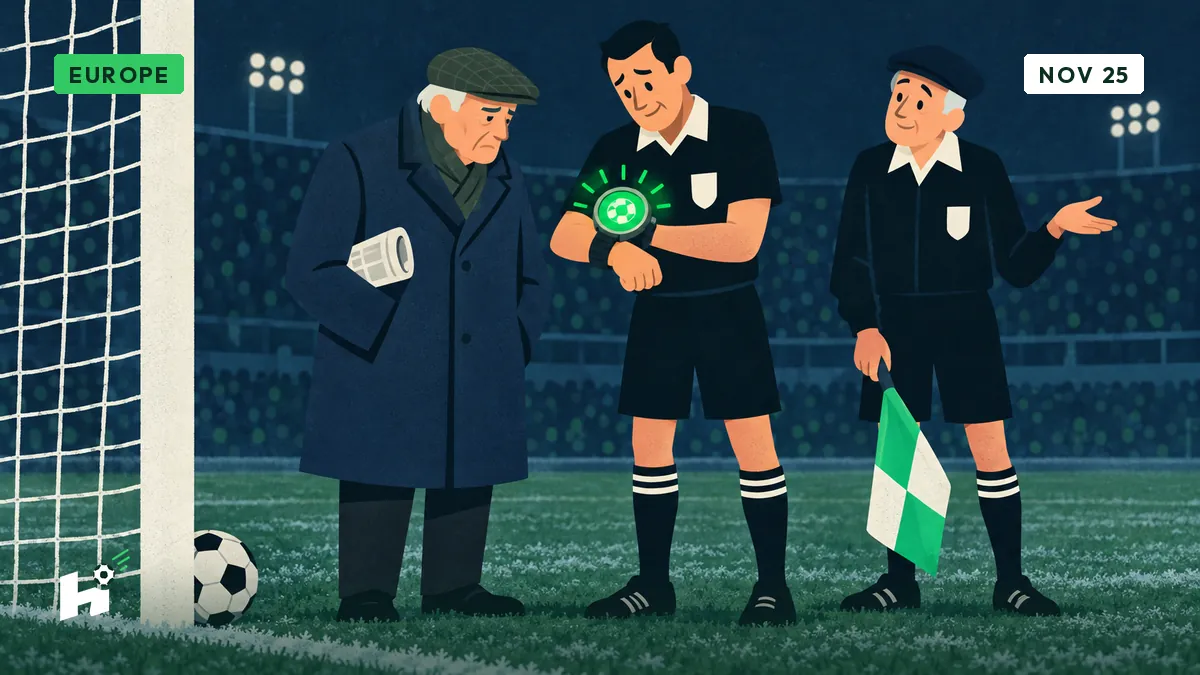
In the 88th minute, Nacho Ferri headed the ball towards goal. Diogo Costa, the Porto goalkeeper, pushed it onto the post. The referee, Irfan Peljto, received a signal on his watch. The watch said the ball had fully crossed the line. He gave the goal. According to the television pictures, the ball had hit the post without crossing the line.
A watch. I have one too. It tells the time. That is all I ask of it.
In 1980, the linesman watched the line. That was his job, which is why he was called that. Sometimes he got it wrong, and we talked about it at the café until Thursday. I’m not criticising. I’m comparing.
Then VAR stepped in and overturned the goal. So one machine made a mistake, and another machine corrected it. They call that progress. I call it two machines.
Giovanni van Bronckhorst gave the explanation, according to Voetbalkrant: “The goal-line technology didn’t work because of the cold. It wasn’t a goal either. So you shouldn’t allow that header either.” The cold. I watched Anderlecht-Standard standing, in the pouring rain, in 1976. It was cold then too. Nobody stopped working. Not even the linesman.
Silly question, but does the watch have a scarf?
I will read about it on Monday in my weekly paper, at the chip shop, to check that the score hasn’t changed. This time it changed, then changed back. Feyenoord have three points after five games. Well. It’s the times.
It’s true, we checked: Voetbalkrant.